
Pregnancy trends 2026 reflect a shift toward technology, wellness, and sustainability. Expecting parents now have more options than ever before. From AI-powered prenatal care to eco-friendly baby products, the landscape of pregnancy continues to change. This guide covers the key pregnancy trends 2026 that will shape how families prepare for new arrivals. Whether someone is planning a first pregnancy or adding to their family, these insights offer practical information for the year ahead.
Table of Contents
ToggleKey Takeaways
- Pregnancy trends 2026 highlight personalized prenatal care through wearable devices, AI-powered apps, and expanded telehealth options.
- Holistic wellness approaches—including prenatal yoga, nutrition counseling, and toxin-free products—are becoming standard for expecting parents.
- Birth preferences are evolving with more families choosing birthing centers, home births with midwives, and doula-assisted deliveries.
- Mental health screening and support are now prioritized at every prenatal visit, with expanded therapy services and partner-focused programs.
- Sustainability is shaping parenting choices, from cloth diapers and secondhand gear to eco-friendly nurseries and minimalist baby registries.
- These pregnancy trends 2026 reflect a shift toward technology, wellness, and environmental responsibility in family planning.
Personalized Prenatal Care Through Technology
Technology has transformed prenatal care in recent years. In 2026, pregnancy trends 2026 show that personalized care through digital tools will become standard practice.
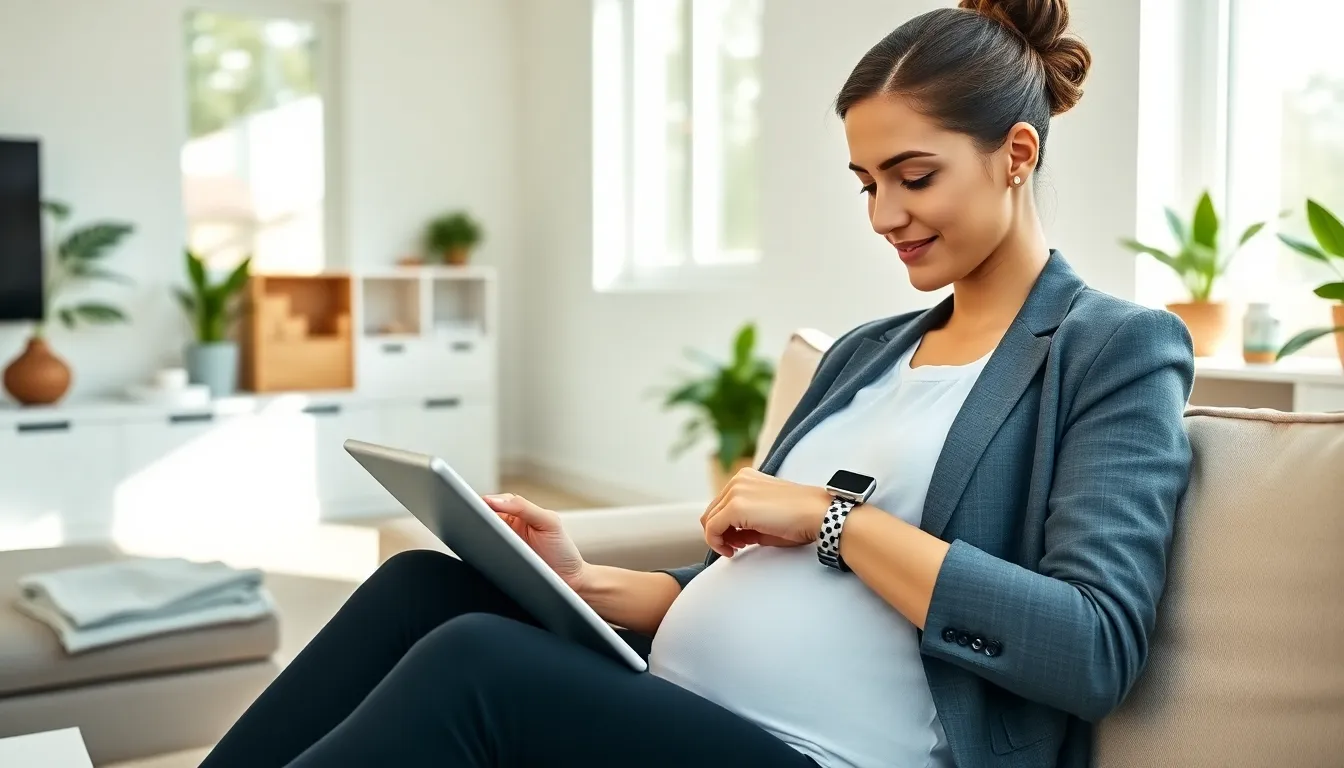
Wearable devices now track vital signs throughout pregnancy. These monitors measure heart rate, sleep patterns, and fetal movement. Parents receive real-time data on their smartphones. This information helps healthcare providers spot potential issues early.
AI-powered apps analyze pregnancy data and offer custom recommendations. These platforms consider individual health history, genetics, and lifestyle factors. The result is care that fits each person’s specific needs.
Telehealth appointments continue to grow in popularity. Virtual check-ins reduce travel time and make care more accessible. Rural families benefit especially from remote consultations with specialists.
Genetic testing has also advanced significantly. Non-invasive prenatal testing (NIPT) provides detailed information about fetal health. Parents can make informed decisions based on accurate screening results.
Home monitoring kits allow expecting parents to check blood pressure and glucose levels. These devices sync with medical records automatically. Doctors review the data between office visits and adjust care plans accordingly.
The pregnancy trends 2026 in technology aim to make prenatal care more responsive. Parents feel more connected to their healthcare teams. They also gain greater control over their pregnancy journey.
Holistic Approaches to Pregnancy Wellness
Holistic wellness has become central to pregnancy trends 2026. Expecting parents increasingly seek comprehensive approaches that address body, mind, and nutrition together.
Prenatal yoga and meditation classes have surged in enrollment. These practices reduce stress and improve physical flexibility. Many hospitals now offer these programs as part of standard prenatal education.
Nutrition counseling focuses on whole foods and personalized meal plans. Dietitians work with pregnant individuals to address specific deficiencies. Supplements are recommended based on blood work rather than generic guidelines.
Acupuncture and chiropractic care have gained acceptance among mainstream providers. Research supports these therapies for managing back pain and nausea. Insurance coverage for alternative treatments has expanded in response to demand.
Sleep optimization programs help expecting parents rest better. Poor sleep affects pregnancy outcomes and maternal health. Specialists now offer targeted strategies for each trimester’s challenges.
Pregnancy trends 2026 also include a focus on reducing environmental toxins. Parents choose organic personal care products and clean household items. They read labels carefully and research ingredient safety.
Community support groups connect expecting parents with peers. These networks provide emotional support and practical advice. Online forums and local meetups both serve this growing need.
Evolving Birth Preferences and Options
Birth preferences have shifted dramatically. Pregnancy trends 2026 reflect parents’ desire for more control over their delivery experience.
Birthing centers have expanded across the country. These facilities offer a middle ground between hospital and home births. They provide medical support in a comfortable, home-like setting.
Home births with certified midwives have increased by 25% since 2020. Parents cite personal attention and familiar surroundings as key reasons. Midwifery training programs have grown to meet this demand.
Hospitals have responded by creating more flexible birth suites. These rooms allow movement, water births, and delayed cord clamping. Medical intervention remains available when needed.
Birth plans have become more detailed and respected by providers. Parents outline preferences for pain management, monitoring, and immediate postpartum care. Healthcare teams work to honor these wishes when safely possible.
Doula services have entered mainstream pregnancy care. These trained professionals provide continuous support during labor. Studies show doula-assisted births often result in better outcomes and higher satisfaction.
Pregnancy trends 2026 emphasize informed consent and shared decision-making. Parents ask more questions and expect clear answers. The relationship between providers and families has become more collaborative.
Mental Health as a Prenatal Priority
Mental health support has become essential in pregnancy trends 2026. Healthcare systems now recognize that emotional wellness directly impacts pregnancy outcomes.
Universal mental health screening occurs at every prenatal visit. Providers use validated questionnaires to identify depression and anxiety. Early detection leads to faster intervention and better results.
Prenatal therapy services have expanded significantly. Many practices employ counselors who specialize in pregnancy-related concerns. Insurance companies cover more mental health visits than in previous years.
Support for pregnancy loss has improved. Hospitals offer grief counseling and follow-up care for families who experience miscarriage or stillbirth. This attention acknowledges the emotional impact of these events.
Partner mental health receives attention too. Programs address the stress and anxiety that partners experience during pregnancy. Family-centered care includes everyone affected by the transition.
Pregnancy trends 2026 include workplace accommodations for mental wellness. Employers offer flexible schedules and reduced workloads for pregnant employees. Mental health days are accepted as legitimate time off.
Online therapy platforms make support accessible around the clock. Expecting parents can connect with counselors from home. This flexibility removes barriers that prevented many from seeking help.
Sustainability in Baby Products and Parenting Choices
Sustainability drives many pregnancy trends 2026. Parents increasingly consider environmental impact when preparing for babies.
Cloth diapers have experienced a major comeback. Modern designs make them easier to use than older versions. Diaper services that wash and deliver have grown to support busy families.
Secondhand baby gear has lost its stigma. Resale platforms specialize in gently used cribs, strollers, and clothing. Parents save money while reducing waste.
Organic baby clothing made from sustainable materials sells well. Brands that prioritize ethical manufacturing attract conscious consumers. Transparency about supply chains influences purchasing decisions.
Baby registries now include eco-friendly options prominently. Retailers have responded to demand by expanding green product lines. Bamboo, organic cotton, and recycled materials appear in most categories.
Pregnancy trends 2026 extend sustainability to nursery design. Parents choose low-VOC paints and furniture made from reclaimed wood. Air purifiers and natural cleaning products complete the healthy space.
Minimalist approaches to baby gear have gained followers. Parents question whether they need every advertised product. They focus on essentials and avoid accumulating unnecessary items.
Food choices reflect sustainability values too. Parents plan to make homemade baby food using local produce. Reusable pouches and glass containers replace single-use packaging.

