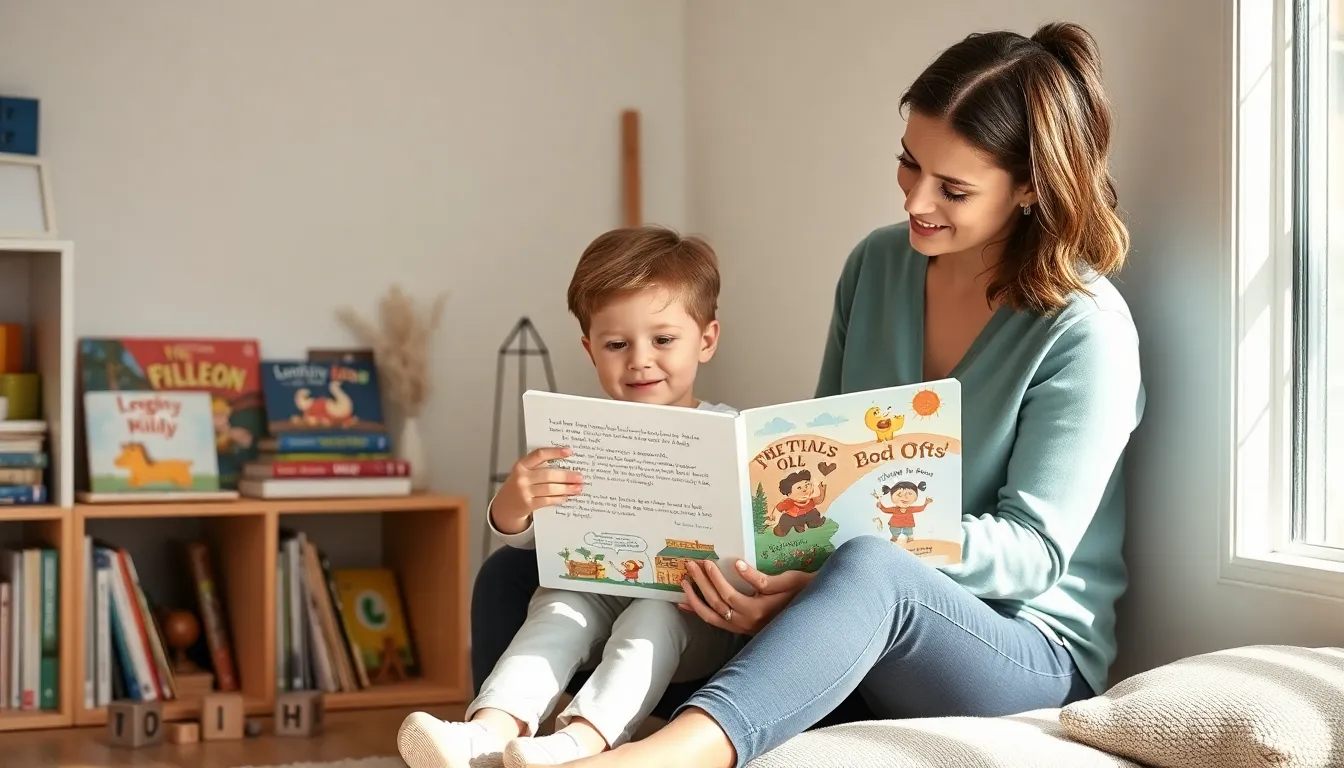
Reading and literacy development for beginners starts with the right foundation. Children who learn to read early gain advantages that last a lifetime. Strong literacy skills affect academic success, career prospects, and personal growth. This guide explains how reading development works, what stages beginners go through, and which strategies produce the best results. Parents, educators, and caregivers will find practical advice they can apply immediately. Whether a child is just starting to recognize letters or beginning to sound out words, this complete guide covers every essential step.
Table of Contents
ToggleKey Takeaways
- Reading and literacy development for beginners builds on five core components: phonemic awareness, phonics, vocabulary, fluency, and comprehension.
- Daily read-aloud sessions of at least 20 minutes are the most effective activity for early literacy development.
- Children progress through predictable reading stages from pre-reading (ages 0-5) to fluent reading (ages 7-9), each requiring age-appropriate support.
- Create a book-rich environment and establish consistent reading routines to make literacy feel natural and enjoyable.
- Early intervention is critical—address signs of reading struggles like difficulty rhyming or slow letter recognition as soon as they appear.
- Asking comprehension questions during reading builds critical thinking and helps identify gaps in understanding.
Understanding Early Literacy Foundations
Early literacy foundations develop long before a child reads their first word. Literacy development begins in infancy through exposure to spoken language, songs, and stories. These experiences build the neural pathways children need for reading success.
Five core components form the basis of reading and literacy development for beginners:
- Phonemic awareness: The ability to hear and manipulate individual sounds in words
- Phonics: Understanding the relationship between letters and sounds
- Vocabulary: Knowing the meaning of words encountered in text
- Fluency: Reading with speed, accuracy, and proper expression
- Comprehension: Understanding and interpreting what has been read
Research from the National Reading Panel confirms these five elements predict reading success. Children who develop strong phonemic awareness by age five typically become proficient readers by third grade.
Oral language plays a critical role in literacy foundations. Children learn roughly 3,000 new words per year during early childhood. This vocabulary growth happens primarily through conversations with adults and exposure to read-aloud sessions. The more words a child hears, the larger their vocabulary becomes, and vocabulary size directly correlates with reading comprehension later.
Print awareness also matters. Children need to understand that text carries meaning, that we read from left to right in English, and that spaces separate words. Simple activities like pointing to words while reading aloud teach these concepts naturally.
Key Stages of Reading Development
Reading and literacy development for beginners follows predictable stages. Understanding these stages helps parents and teachers provide appropriate support at each level.
Pre-Reading Stage (Ages 0-5)
During this stage, children develop awareness of print and language. They recognize that books contain stories. They learn to hold books correctly and turn pages. Many children at this stage pretend to read by reciting memorized text or making up stories based on pictures.
Emergent Reading Stage (Ages 4-6)
Children begin connecting letters to sounds. They recognize common words by sight, words like “the,” “and,” and “is.” They start using picture clues alongside letter sounds to decode unfamiliar words. Reading at this stage requires significant effort and concentration.
Early Reading Stage (Ages 6-7)
Readers at this stage decode more fluently. They recognize larger chunks of words rather than sounding out each letter. Their reading speed increases, though comprehension may lag behind decoding ability. This stage marks the transition from “learning to read” toward “reading to learn.”
Fluent Reading Stage (Ages 7-9)
Fluent readers process text automatically. They read with expression and appropriate pacing. Their comprehension improves as decoding requires less mental effort. Children at this stage can tackle longer texts and more complex ideas.
Not all children progress through these literacy development stages at the same pace. Some advance quickly: others need more time. What matters most is consistent progress and appropriate support at each stage.
Effective Strategies to Build Reading Skills
Building reading skills requires intentional practice and the right techniques. These strategies support literacy development at every stage.
Read Aloud Daily
Read-aloud sessions remain the single most effective activity for literacy development. Reading aloud exposes children to vocabulary they won’t encounter in everyday conversation. It models fluent reading and proper expression. Aim for at least 20 minutes of read-aloud time daily.
Practice Phonics Systematically
Phonics instruction works best when taught in a structured sequence. Start with single consonant sounds, then short vowels, then blends. Synthetic phonics programs, where children learn to blend individual sounds into words, show strong results in research studies.
Build Sight Word Recognition
Common words like “said,” “was,” and “have” don’t follow standard phonics rules. Children must memorize these high-frequency words by sight. Flashcards, word walls, and repetitive reading help cement these words in memory.
Encourage Independent Reading
Children improve reading skills through practice. Provide access to books at their current reading level, challenging enough to promote growth but easy enough to avoid frustration. The “five finger rule” works well: if a child encounters more than five unknown words per page, the book is too difficult.
Ask Comprehension Questions
Reading without understanding defeats the purpose. Ask questions during and after reading:
- What happened in this part?
- Why do you think the character did that?
- What do you predict will happen next?
These questions build critical thinking and deepen engagement with text. They also help identify comprehension gaps that need attention.
Creating a Supportive Learning Environment
The environment where children learn to read affects their progress significantly. A supportive setting makes literacy development feel natural and enjoyable.
Fill the Space with Books
Children who grow up surrounded by books develop stronger reading habits. Create a home library with diverse titles, fiction, nonfiction, picture books, and early readers. Place books at child height where they’re easy to access. Rotate selections regularly to maintain interest.
Establish Reading Routines
Consistency matters for reading and literacy development for beginners. Set specific times for reading each day. Bedtime reading works well for many families. The predictability of routine helps children view reading as a normal, expected part of daily life.
Reduce Distractions
Televisions, tablets, and phones compete for attention. During reading time, turn off screens. Create a quiet, comfortable space dedicated to books and learning. Some children focus better with soft background music: others need complete silence.
Celebrate Progress
Positive reinforcement encourages continued effort. Celebrate milestones, first words read independently, first book finished, new sounds mastered. Keep celebrations genuine and specific. “You sounded out that whole sentence by yourself.” works better than generic praise.
Model Reading Behavior
Children imitate adult behavior. When they see parents and caregivers reading for pleasure, they understand that reading matters. Share what you’re reading. Talk about books at meals. Visit libraries together.
Address Struggles Early
Some children face genuine difficulties with literacy development. Signs of potential reading difficulties include trouble rhyming, difficulty learning letter names, and slow progress even though consistent instruction. Early intervention produces better outcomes than waiting to see if problems resolve on their own.