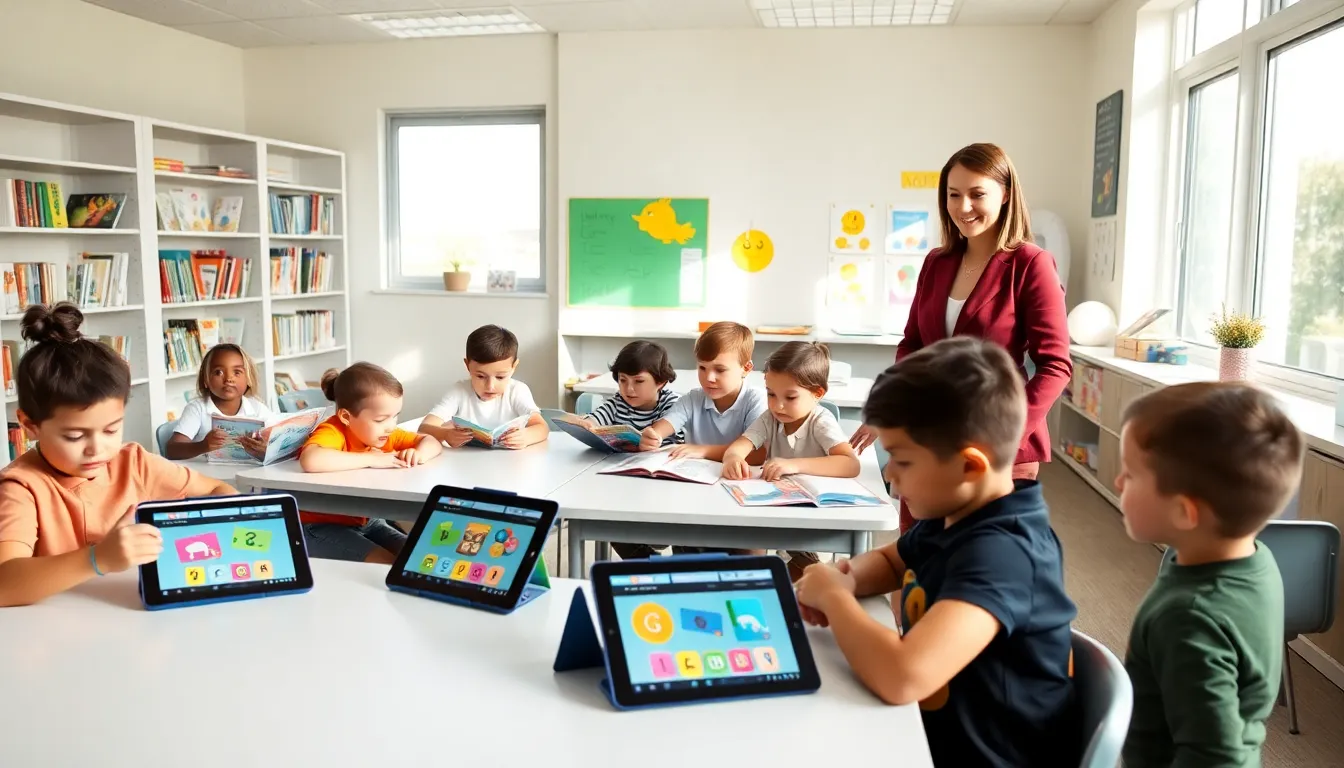
Reading and literacy development tools shape how learners build foundational skills at every age. From phonics apps to guided reading programs, these resources help children and adults decode text, expand vocabulary, and improve comprehension. The right literacy development tools can turn reluctant readers into confident ones. This guide explores essential resources, digital options, and practical strategies for selecting tools that match specific learning needs.
Table of Contents
ToggleKey Takeaways
- Reading and literacy development tools provide structured, targeted practice that supplements classroom instruction and builds foundational skills at any age.
- Phonics programs, decodable books, and flashcards are essential tools for early readers learning to decode text and recognize sight words.
- Digital resources like reading apps and gamified learning programs offer adaptive difficulty and progress tracking to keep learners engaged.
- Choose literacy development tools based on the learner’s current skill level, preferred learning style, and evidence-based design principles.
- Track progress regularly and adjust tools as skills improve to ensure continued growth and sustained interest in reading.
Why Literacy Development Tools Matter
Strong reading skills affect every area of life. Students who struggle with literacy often face challenges in math, science, and social studies because most subjects require reading comprehension. Adults with limited literacy skills may experience barriers in employment and daily tasks.
Literacy development tools address these challenges directly. They provide structured practice, immediate feedback, and engaging content that holds attention. A child using phonics flashcards learns letter-sound relationships through repetition. An adult working through a vocabulary app builds word knowledge one session at a time.
Research supports the value of these tools. According to the National Center for Education Statistics, students who use supplemental reading programs show measurable gains in fluency and comprehension. Reading and literacy development tools work because they offer consistent, targeted practice that classroom instruction alone cannot always provide.
These resources also meet learners where they are. A kindergartener needs different support than a third-grader catching up on skills. Literacy development tools come in various formats, print materials, software, games, and audiovisual content, so educators and parents can match resources to individual needs.
Essential Tools for Early Readers
Early literacy builds the foundation for all future reading success. Children ages three to eight benefit most from tools that focus on phonemic awareness, phonics, vocabulary, and basic comprehension.
Phonics Programs
Phonics-based programs teach the relationship between letters and sounds. Popular options include Orton-Gillingham materials and structured phonics curricula like Fundations. These reading and literacy development tools break down words into manageable parts, helping young learners decode unfamiliar text.
Decodable Books
Decodable readers contain words that follow phonics patterns the child has already learned. Unlike leveled readers that rely on picture cues and memorization, decodable books reinforce actual decoding skills. Series like Bob Books and Primary Phonics give early readers genuine practice applying what they know.
Alphabet and Sight Word Flashcards
Simple, effective, and affordable, flashcards remain a staple for literacy instruction. Letter flashcards build alphabet recognition. Sight word cards help children memorize high-frequency words like “the,” “and,” and “said” that don’t follow standard phonics rules.
Read-Aloud Picture Books
Reading aloud exposes children to rich vocabulary, sentence structures, and story elements they won’t encounter in early readers. Parents and teachers can use picture books to build background knowledge and spark interest in reading. Titles from authors like Mo Willems and Eric Carle engage young listeners while modeling fluent reading.
Digital Resources for Building Reading Skills
Technology has expanded access to literacy development tools significantly. Digital resources offer interactive features, adaptive difficulty, and progress tracking that print materials cannot match.
Reading Apps
Apps like Epic., Reading Eggs, and Starfall deliver phonics lessons, comprehension activities, and e-books through tablets and computers. Many reading and literacy development tools in app form adjust difficulty based on user performance. A struggling reader gets extra practice on challenging skills, while an advanced learner moves ahead without repetition.
Audiobooks and Text-to-Speech
Audiobooks let readers follow along with printed text while hearing fluent narration. This dual input strengthens word recognition and comprehension. Services like Audible and Libby provide thousands of titles. Text-to-speech features built into tablets and e-readers offer similar benefits for independent study.
Online Tutoring Platforms
Platforms connecting learners with reading specialists provide personalized instruction that supplements classroom or home learning. These sessions target specific skill gaps through one-on-one attention.
Gamified Learning Programs
Games motivate reluctant readers through points, badges, and competition. Programs like Lexia Core5 and IXL blend game mechanics with evidence-based reading instruction. Students practice phonics, fluency, and comprehension while earning rewards, a combination that keeps them engaged longer than traditional worksheets.
Strategies for Choosing the Right Tools
With hundreds of reading and literacy development tools available, selecting the best options requires careful consideration. Not every resource fits every learner.
Assess the Learner’s Current Level
Start with an honest evaluation of skills. A child who struggles with letter sounds needs phonics-focused tools, not chapter books. Many programs include diagnostic assessments that identify specific weaknesses. Use these results to guide tool selection.
Match Tools to Learning Style
Some learners thrive with visual materials like videos and illustrated books. Others learn better through hands-on activities or auditory input. Consider whether the learner prefers digital screens or physical materials. The best literacy development tools align with how someone naturally absorbs information.
Check for Evidence-Based Design
Look for programs grounded in reading science. Tools based on the Science of Reading, emphasizing phonemic awareness, phonics, fluency, vocabulary, and comprehension, produce better outcomes than those relying on outdated methods. Reviews from educators and organizations like the What Works Clearinghouse can help identify proven programs.
Consider Practical Factors
Budget matters. Some excellent reading and literacy development tools cost nothing, public library programs, free apps, and printable worksheets. Others require subscriptions or upfront purchases. Also consider time requirements. A busy family may need quick daily activities rather than hour-long sessions.
Monitor Progress and Adjust
No single tool works forever. As skills develop, learners outgrow certain resources. Track progress through informal observations, app-generated reports, or periodic assessments. Switch tools when growth stalls or interests change.