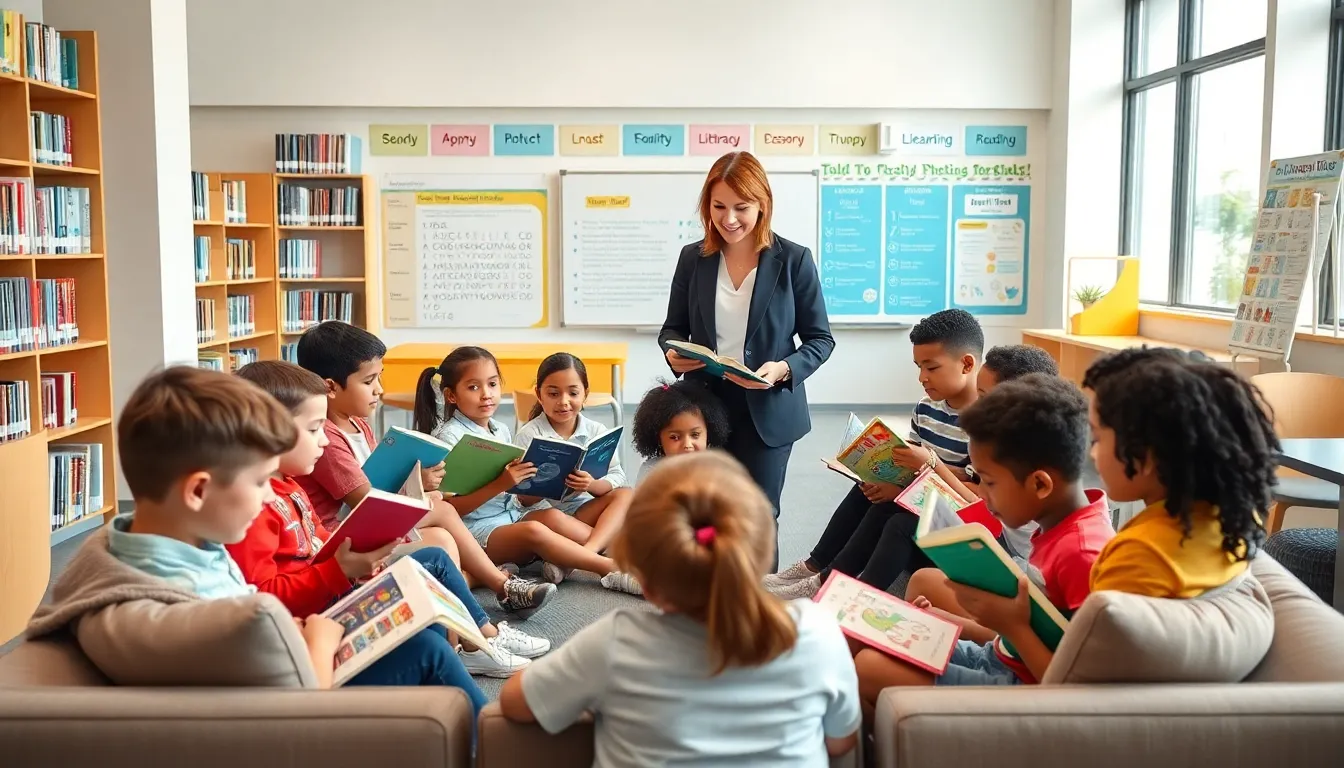
Top reading and literacy development skills shape how people learn, communicate, and succeed throughout life. Strong readers perform better in school, earn higher wages, and engage more actively in their communities. Yet millions of children and adults still struggle with basic reading skills.
This guide covers practical strategies that work for learners at every stage. Whether someone is teaching a five-year-old to sound out words or helping an adult improve comprehension, these methods build lasting literacy skills. The goal is simple: help every learner become a confident, capable reader.
Table of Contents
ToggleKey Takeaways
- Strong reading and literacy development skills directly impact academic success, earning potential, and community engagement throughout life.
- Children who read proficiently by third grade are four times more likely to graduate high school, making early intervention critical.
- Combining phonics instruction, daily read-alouds, and 20-30 minutes of independent reading builds lasting literacy skills for learners of all ages.
- Creating a literacy-rich environment with accessible books, labeled objects, and visible reading role models accelerates learning.
- About 15-20% of learners have dyslexia, but early screening and multisensory instruction help them overcome reading challenges.
- It’s never too late to improve—community programs, libraries, and online resources support adult literacy development at any stage.
Why Literacy Development Matters
Literacy development affects nearly every aspect of a person’s life. Children who read well by third grade are four times more likely to graduate high school than those who struggle. Adults with strong literacy skills earn 20% more on average than those with limited reading abilities.
Reading builds vocabulary, critical thinking, and communication skills. It opens doors to education, employment, and personal growth. A child who reads fluently can follow instructions, understand math problems, and learn science concepts independently.
Literacy development also affects mental health and social connections. People who read regularly report lower stress levels and stronger empathy. They understand different perspectives and engage more thoughtfully with others.
For communities, high literacy rates drive economic growth. Businesses thrive when workers can read manuals, write reports, and communicate clearly. Schools function better when students arrive prepared to learn. The benefits of strong reading and literacy development ripple outward, touching families, workplaces, and entire neighborhoods.
Key Stages of Reading Development
Reading and literacy development follows a predictable path. Understanding these stages helps parents, teachers, and learners track progress and identify areas that need attention.
Pre-Reading (Ages 0-5)
Children at this stage learn that print carries meaning. They recognize letters, understand that books are read left to right, and begin connecting sounds to symbols. Rhyming games, alphabet songs, and read-aloud sessions build the foundation for later success.
Beginning Reading (Ages 5-7)
Young readers start decoding words by sounding them out. They learn sight words and simple phonics rules. Reading feels slow and effortful at this stage, which is completely normal. Practice with short, predictable texts builds confidence.
Fluency Building (Ages 7-9)
Readers at this stage move from sounding out each word to reading smoothly. They recognize common words instantly and can focus more on meaning. Reading aloud with expression shows they understand the text.
Reading for Learning (Ages 9+)
Older students use reading as a tool to gain knowledge. They tackle longer texts, learn new vocabulary from context, and adjust their reading speed based on difficulty. Reading and literacy development continues through adulthood as people encounter new subjects and formats.
Effective Strategies to Build Strong Reading Skills
Several proven methods support reading and literacy development across all ages. The best approach combines multiple strategies based on the learner’s needs.
Phonics Instruction
Systematic phonics teaches the relationship between letters and sounds. Learners practice blending sounds to read words and breaking words into sounds to spell them. Research consistently shows that explicit phonics instruction accelerates reading development, especially for struggling readers.
Read-Aloud Sessions
Listening to fluent reading builds vocabulary and comprehension. Parents and teachers should read aloud daily, pausing to discuss the story, explain new words, and ask questions. This practice works for learners of all ages, not just young children.
Independent Reading Time
Readers improve by reading. Set aside 20-30 minutes daily for independent reading at an appropriate level. The text should be easy enough that the learner understands 95% of the words. This builds fluency and reinforces skills.
Vocabulary Development
Direct vocabulary instruction expands word knowledge. Teach new words in context, use them in conversations, and encourage learners to keep personal word lists. Strong vocabulary supports both reading comprehension and writing.
Comprehension Strategies
Good readers actively think about what they read. Teach learners to make predictions, ask questions, visualize scenes, and summarize key points. These strategies for reading and literacy development turn passive reading into active learning.
Creating a Literacy-Rich Environment
The space where someone learns affects how well they learn. A literacy-rich environment surrounds learners with print, books, and opportunities to read and write.
Fill Spaces with Books
Keep books visible and accessible. Place them on shelves, in baskets, and on tables. Include a variety of genres, topics, and difficulty levels. Rotate selections regularly to spark fresh interest in reading and literacy development.
Label Everything
Young learners benefit from seeing words attached to objects. Label doors, drawers, toys, and furniture. Point out words on signs, menus, and packaging during daily activities.
Create Comfortable Reading Spots
Designate quiet, cozy areas for reading. Good lighting, comfortable seating, and freedom from distractions encourage longer reading sessions. Let learners personalize their reading spaces.
Model Reading Behavior
Children copy what they see. When adults read books, newspapers, or magazines, children learn that reading matters. Talk about what you’re reading and share interesting facts or stories.
Provide Writing Materials
Reading and writing develop together. Stock spaces with paper, pencils, markers, and notebooks. Encourage learners to write lists, letters, stories, and journals. Every writing attempt reinforces reading skills.
Overcoming Common Reading Challenges
Many learners face obstacles in their reading and literacy development journey. Identifying problems early and addressing them directly leads to better outcomes.
Dyslexia and Learning Differences
About 15-20% of people have some form of dyslexia. Signs include difficulty rhyming, slow reading speed, and frequent letter reversals. Specialized instruction using multisensory methods helps dyslexic learners succeed. Early screening and intervention make a significant difference.
Limited Vocabulary
Some learners understand the mechanics of reading but lack the vocabulary to comprehend texts. Build word knowledge through conversation, read-alouds, and direct instruction. Expose learners to rich language in books, podcasts, and discussions.
Lack of Motivation
Reluctant readers often haven’t found books that interest them. Let learners choose their own reading material, even if it’s comics, magazines, or graphic novels. Any reading builds skills and may spark a broader interest in reading and literacy development.
Limited Access to Books
Not every family can afford books. Libraries offer free access to thousands of titles. Many communities have book donation programs, little free libraries, and school book fairs. Digital resources and e-books expand options for families with internet access.
Adult Literacy Gaps
Adults who struggle with reading often feel embarrassed to seek help. Community literacy programs, online courses, and one-on-one tutoring provide judgment-free support. It’s never too late to improve reading skills.